Maternal aggression occurs when a queen (female cat) becomes especially aggressive. Her aggression is meant to protect her kittens and can be directed at humans, other animals, or other cats that come between a queen and her new litter of kittens.
Why is my cat suddenly aggressive to her kittens?
If a mother cat is threatened by other cats, people, excessive noise or other stressful situations she may abandon her kittens or develop aggressive tendencies towards them. First-time mothers may also be more prone to behavior problems.Why do cats get angry at their kittens?
When the kittens grow up and the cat is going to have new litter again she might feel that the existing kittens can pose a threat to new ones because of their territorial nature. They will growl and hiss at anything or everything that she might think, can pose a threat to her and her babies.Why are cats mean to kittens?
Cats usually deal with "intruders" by trying to avoid them, and only display overt aggression as a last resort. Your cat should have a safe place to get away from the new kitten until they have gotten comfortable with each other.Why is my cat trying to bite her kittens?
This is most often a love bite. When momma kitties groom and clean their kittens, they gently bite them. Cats use those gentle bites to gain our attention or to show us love and affection. However, there's a fine line between stimulating play and aggressive behavior.WHY DO CATS REJECT THEIR KITTENS?
Why is my cat trying to bite my kittens neck?
Neck biting might come out as aggression over toys, food, or attention. This is part of the “showing dominance” side of neck biting. Resources can be claimed by a dominant cat as their territory because they feel like they are protecting their belongings.How do mother cats punish their kittens?
Mother cats punish the bad behavior of their kittens the moment they occur by removing themselves from the situation, vocalizing, hitting, and biting. A queen may escalate the corrective measures if a kitten has trouble understanding the lesson. Biting is the most severe form of chastisement.Why is my cat so mean to my new kitten?
Cats are territorial, and can find it difficult to share both territory and resources. The key to having two (or more!) peaceful feline occupants in one house is for them to have their own space and their own food and water. Cats can form strong social bonds, and then they will happily share beds, toys, food, etc.How can you tell if cats are playing or fighting kittens?
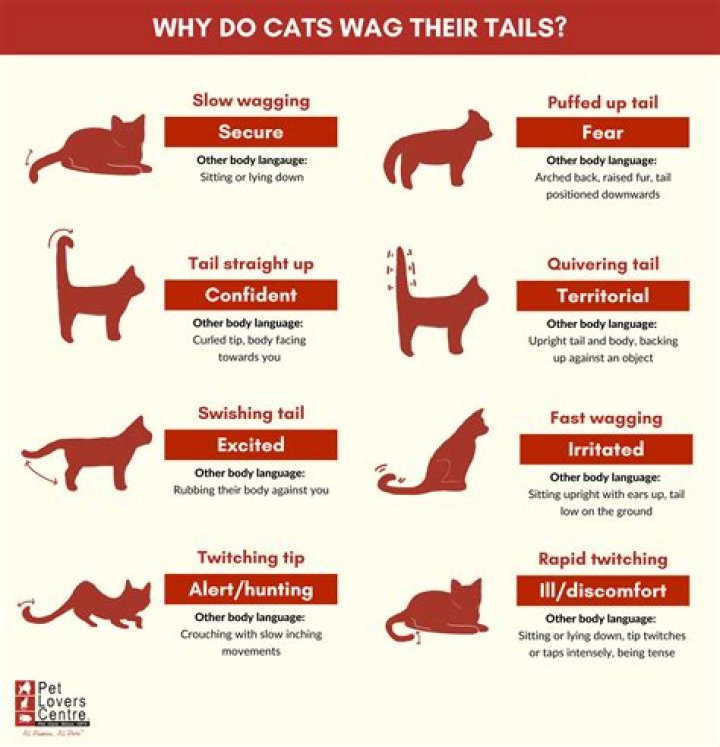
If your cats' bodies are relaxed or their ears are pointed forward, they're likely just playing. If your cats flatten their ears, hold their ears back, or puff up their fur or tails, this is a sign that they're fighting, not playing.Will my older kitten hurt my younger kitten?
Your older cat want to show the younger one that she's dominant and the one in charge, so at first she may chase him or even hit him. As long as there's no scratches nor hair flying around in the air it should be fine. The 6 week is too small to be a real threat to the 8 month, so I don't think she'd actually hurt him.Why is my mom cat hissing at her kittens after being spayed?
Momcats do not love their kittens all their lives. It is natural for a momcat to hiss and growl at her kitten. It is how the species survives in the wild. The momcat runs the kittens off of her after they are weaned (usually) unless she is just into being a mom for the rest of her days.Do mother cats scold their kittens?
Mother cats don't always discipline their kittens, but rather give them subtle behavior corrections. According to the infraction, these corrections escalate in intensity, but they are always immediate.How long does maternal aggression last in cats?
Maternal aggression will usually subside as the kittens get older and more independent. Male, and more rarely female, cats may demonstrate aggression toward other male cats as they approach social maturity between two and four years of age.How do you know if your cat is rejecting her kittens?
If you see that the mother ignores certain kittens, refusing to allow them to nurse, she is rejecting those kittens. Another sign of rejection is when a mother moves one or more of the kittens to a different location from the nest to isolate them. She also may hiss at the kittens or try to bite them.Why do mother cats reject their kittens?
Like any babies, kittens are vulnerable to infection and have weak immune systems. If a mother cat senses that one of her kittens is afflicted by a viral or bacterial illness, she might abandon the kitten so that it will not infect its siblings.Will a mother cat abandon her kittens if you touch them?
A mother cat will NOT “reject” kittens that have been touched by humans. You can try scattering flour around the nest and leave the area completely for a while.How do I know if my cat is too rough with a kitten?
Adult cats playing with kittens will wrestle them on to their back, and they will also sometimes bite (not hard) and even lock jaws in simulated fighting but it should not get to a point where either cat is being seriously hurt, frightened screaching, chunks of fur pulled out or blood drawn: at such a level it is very ...How do I stop my older cat from attacking my kitten?
Keep your cat in a separate room from the kitten.If you're bringing home your kitten for the first time or if your cat constantly attacks the kitten, move them into different areas of your home so they can't see each other. Provide separate food, water, litter, and toys for each cat so they don't have to compete.